
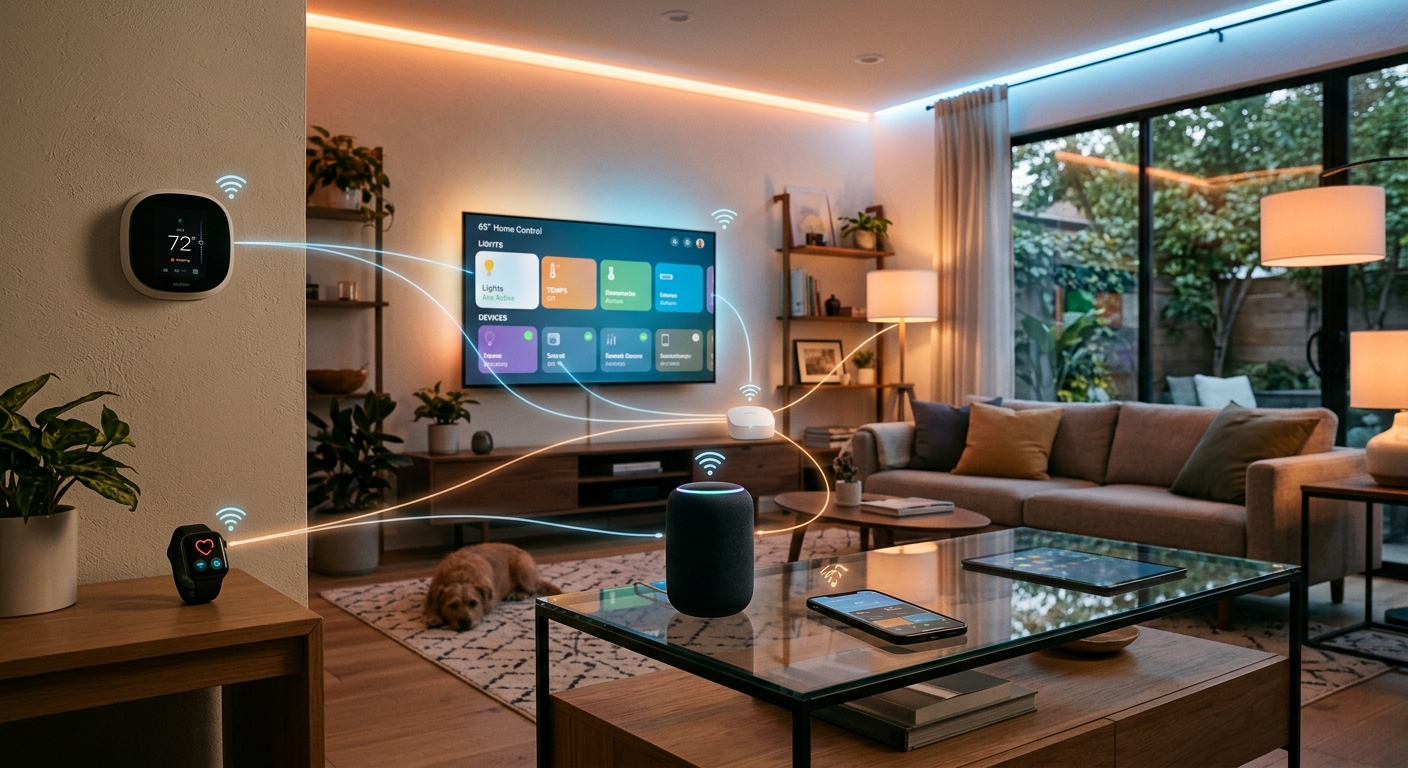
Understanding Smart Device Connectivity
As you explore smart devices for your home, it’s crucial to understand how they connect and communicate. Smart devices like speakers, thermostats, and wearables are designed to make your life easier by automating tasks and providing real-time data. However, the effectiveness of these devices depends heavily on the wireless protocols they use—each having its strengths and limitations. Knowing whether a device supports Wi-Fi, Bluetooth, Zigbee, or the emerging Matter standard can help you make informed purchasing decisions and ensure that your devices will work well together.
Choosing the Right Smart Devices
When selecting smart devices, consider compatibility with existing technology in your home. Many devices rely on specific wireless protocols that differ in range, battery consumption, and security features. For example, while Wi-Fi is fast and widely supported, it may not be the best choice for battery-powered devices due to its higher energy use. In contrast, Zigbee and Z-Wave excel in low-power communications and mesh networking, which can enhance coverage and reliability. By understanding these differences, you can better match devices to your needs, thereby minimizing potential frustration and maximizing functionality in your smart home environment.
Exploring Wireless Protocols
The variety of wireless protocols available can be overwhelming. Wi-Fi, for instance, is ideal for high-speed data transfer and internet connectivity, which is essential for streaming and heavy-use applications. However, devices relying solely on Wi-Fi may become less effective in larger homes or where numerous devices compete for bandwidth. In contrast, Bluetooth is tailored for short-range, low-energy use cases, making it perfect for gadgets like headphones or fitness trackers. Understanding the specific advantages and limitations of each protocol will empower you to make strategic choices that optimize your smart device setup.
Key Protocols to Consider
In your journey for smart home automation, familiarize yourself with the key protocols that dominate the IoT landscape: Zigbee, Z-Wave, Thread, and the emerging Matter. Zigbee is an open standard excellent for cost-effective, low-power solutions and has robust multi-manufacturer compatibility. Z-Wave boasts exceptional security with strong encryption, making it suitable for sensitive applications like smart locks. Thread offers a modern, IP-based approach that supports seamless integration with web services. Matter promises to unify existing standards across diverse ecosystems, ensuring that your smart home remains ahead of the curve, merging various technologies into one cohesive experience.
Understanding Network Structures
Network topologies play a vital role in how smart devices communicate. Mesh networking, for example, enhances reliability by allowing devices to relay information to one another, reducing the risk of connection failures. This technology is particularly useful in larger homes where single routers may struggle to provide adequate coverage. Understanding how these networks function will inform your decisions on device placement and the overall configuration of your smart home setup. By utilizing mesh networking, you can ensure all smart devices maintain connectivity and perform optimally without dead zones.
Data Transmission Mechanisms
Equally important is grasping the technical architectures that enable data transmission in smart devices. Content-Centric Networking (CCN) is an emerging framework shifting the focus from device-centric communication to content-based requests. This method improves how devices manage and share data, considerably enhancing efficiency and security. As you delve into smart technology, understanding how data flows between devices will better equip you to make decisions on setup and troubleshoot potential issues.
Discovering and Managing Your Devices
The process of discovering, pairing, and managing smart devices is intricate but essential for creating a cohesive ecosystem. Understanding how devices recognize each other is the first step in building an automated environment. Upon discovery, securely pairing these devices is critical, typically accomplished through established protocols like Matter or Zigbee. By focusing on the standards your devices adhere to, you can ensure smooth integration into your home network with less friction.
Security in Smart Device Ecosystems
As you consider integrating smart devices, prioritize security to protect your data. End-to-end encryption is a fundamental safeguard ensuring that information shared between devices remains confidential. Additionally, regularly updating firmware and utilizing strong authentication methods are critical practices for maintaining the integrity of your smart home. A secure system not only protects personal data but also enhances overall device performance, giving you peace of mind with the convenience these technologies provide.
The Role of Interoperability
Interoperability is a vital consideration when selecting smart devices. Devices that adhere to common standards can communicate effectively, allowing for a seamless experience. The Matter protocol represents a significant advancement toward achieving this interoperability, simplifying the integration of diverse products into a singular ecosystem. By choosing devices compatible with this and other established standards, you can minimize the headaches associated with device incompatibility and maximize the potential for automation in your home.
Real-World Smart Device Applications
Real-world applications of smart devices are vast and varied. You can automate lighting systems to adjust based on occupancy or time of day, enhancing energy efficiency and security. Smart thermostats learn from your behaviors to optimize temperature control, promoting comfort while reducing energy bills. Recognizing these functionalities can inform your purchasing decisions, aligning them with your lifestyle needs. Furthermore, using central hubs allows for cohesive management of devices, streamlining interactions even when integrating multiple technologies. Understanding these applications deepens your insight into how smart devices can transform your living space.
Challenges in Integration
Integrating multiple smart devices can present challenges, particularly when they rely on different protocols. Compatibility issues often arise, making it essential to choose devices thoughtfully to ensure smooth communication across your network. Factors such as reliance on a central hub or gateway can facilitate integration but can also create bottlenecks and complicate setups if not managed correctly. A clear understanding of these potential pitfalls allows for strategic planning in building your smart home ecosystem.
Anticipating Future Trends
The landscape of smart device connectivity is rapidly evolving. As innovations in wireless technology emerge, such as the anticipated 6G networks, your existing devices may need to adapt. Emerging standards like Matter are paving the way for more interoperable systems, enhancing cross-compatibility between devices from different manufacturers. Staying informed about these developments will empower you to upgrade your smart home in a future-ready manner, ensuring ongoing functionality and connectivity in an ever-changing technology landscape.
Estimated word count: 1,758 words.
The content is provided by Jordan Fields, financialpulsenow